• Home
  • About
  • Contact
  • Privacy Policy
   
  • Home
  • About
  • Contact
  • Privacy Policy

Home

🚲 Types of Bicycles
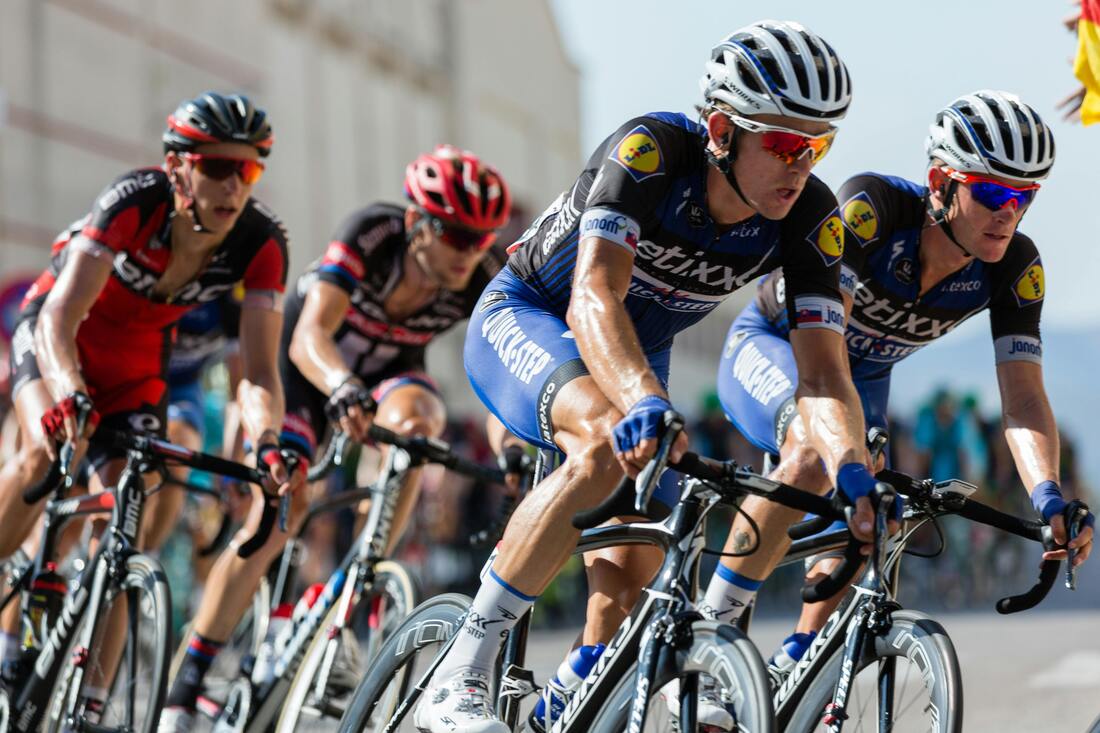
  1. Road Bikes
    • Designed for speed on paved roads.
    • Lightweight frame, narrow tires, drop handlebars.
    • Best for commuting, long-distance rides, and racing.
  2. Mountain Bikes (MTB)
    • Built for off-road trails, rugged terrain.
    • Wide, knobby tires; front (and sometimes rear) suspension.
    • Stronger frame, flat or riser handlebars.
  3. Hybrid Bikes
    • Mix of road and mountain bike features.
    • Upright position, medium-width tires.
    • Great for commuting, casual rides, and fitness.
  4. Gravel Bikes
    • For mixed terrain: pavement, gravel roads, light trails.
    • Drop bars, wider tires than road bikes.
  5. Cruiser Bikes
    • Comfortable, upright position, wide cushy seats.
    • Single-speed or few gears.
    • Ideal for flat, casual rides like beach paths.
  6. Touring Bikes
    • Built for long-distance travel with gear.
    • Strong frame, multiple mounting points, wider tires.
  7. Folding Bikes
    • Compact, foldable design for storage and transport.
    • Good for urban commuters.
  8. Electric Bikes (e-bikes)
    • Battery-powered motor assists pedaling.
    • Available in road, mountain, hybrid, and cargo styles.
  9. BMX Bikes
    • Small frames, single speed, used for stunts, tricks, racing.
    • Suitable for skate parks and dirt jumps.
  10. Cargo Bikes
    • Built to carry loads or passengers.
    • Extended frames or added baskets/boxes.
🛠️ Key Components
  1. Frame
    • The core structure.
    • Common materials: aluminum, steel, carbon fiber, titanium.
  2. Wheels
    • Comprised of rims, spokes, hubs, and tires.
    • Tire width and tread vary by use.
  3. Drivetrain
    • Converts pedaling into motion.
    • Includes: crankset, chain, cassette/freewheel, derailleurs, shifters.
  4. Brakes
    • Types: rim brakes, disc brakes (mechanical or hydraulic), coaster brakes.
    • Disc brakes offer better performance in wet conditions.
  5. Suspension
    • Front (fork) and/or rear (shock).
    • More common on mountain bikes.
  6. Handlebars
    • Types: flat, riser, drop, bullhorn, cruiser.
    • Affects riding posture and handling.
  7. Saddle and Seatpost
    • Saddle choice affects comfort; adjust height for proper leg extension.
  8. Pedals
    • Flat/platform, clipless (use cleats), toe cages.
  9. Gears
    • Number of speeds varies widely.
    • Shifting helps with climbing hills or going fast.
🧰 Maintenance Basics
  1. Regular Checks
    • Tire pressure
    • Brake function
    • Chain lubrication
    • Bolt tightness
  2. Cleaning
    • Wipe frame, clean drivetrain, avoid harsh water sprays on bearings.
  3. Lubrication
    • Use bike-specific lube on chain, not on brakes or rotors.
  4. Chain Wear
    • Replace chain before it stretches too far and damages cassette.
  5. Brake Pads
    • Replace when worn; check alignment.
  6. Tire Wear
    • Look for cracks or worn tread; replace if needed.

​🧠 Bike Fit & Ergonomics
  • Seat Height: Leg should be slightly bent at bottom of pedal stroke.
  • Reach: Arms should have a slight bend, no strain.
  • Handlebar Height: Adjust for comfort vs. aerodynamics.

🧭 Riding Tips
  1. Shifting Gears
    • Downshift before climbing; avoid cross-chaining.
  2. Braking
    • Use both brakes; apply front brake smoothly to avoid flipping.
  3. Cornering
    • Lean with the bike; keep outside pedal down.
  4. Climbing
    • Sit back, steady cadence, shift early.
  5. Descending
    • Lower body, keep fingers near brakes.
Picture
🛡️ Safety Gear & Essentials
  • Helmet (always wear one!)
  • Lights and Reflectors (front white, rear red)
  • Bell or Horn
  • Lock (U-locks or chain locks preferred)
  • Multitool and Patch Kit
  • Water Bottle and Cage
  • Spare Tube or CO₂ Inflator

🌍 Useful Bike Skills
  • Fixing a flat
  • Adjusting brakes and derailleurs
  • Cleaning/lubing chain
  • Removing wheels
  • Wrapping handlebar tape (for drop bars)


  • Home
  • About
  • Contact
  • Privacy Policy